


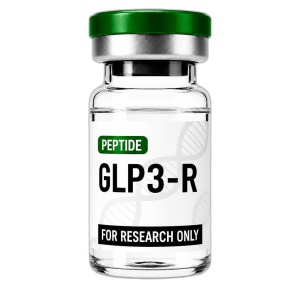
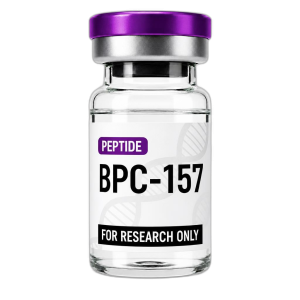
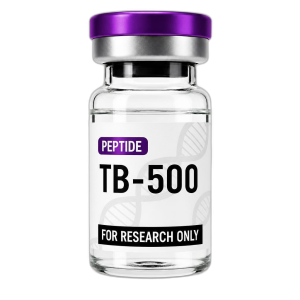
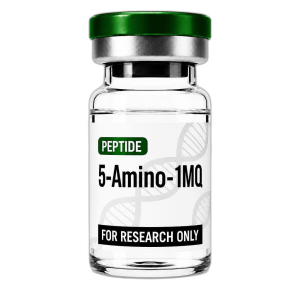
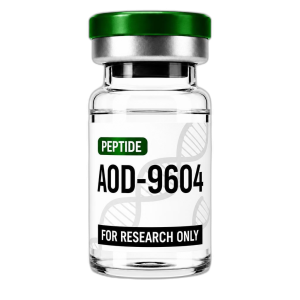
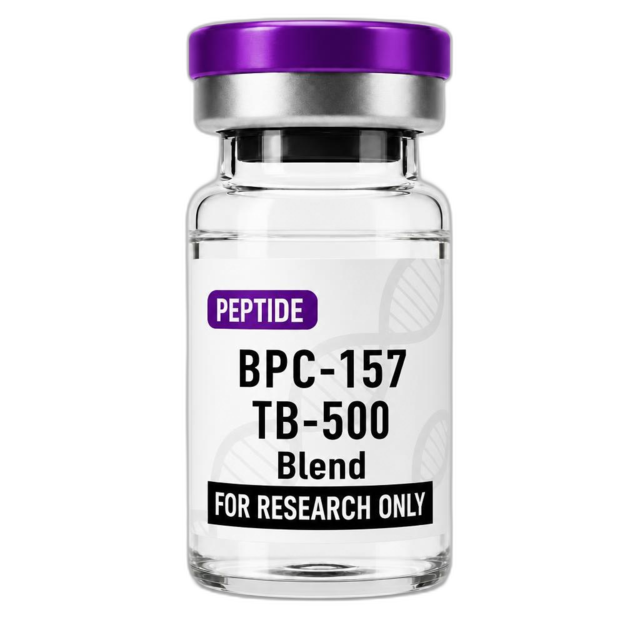
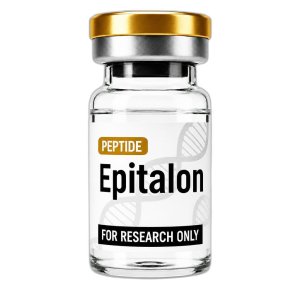
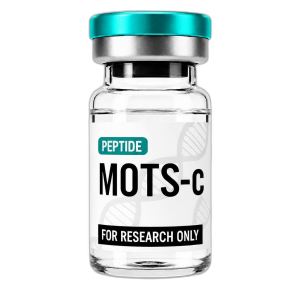
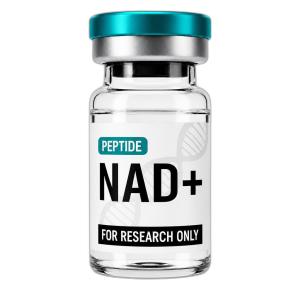
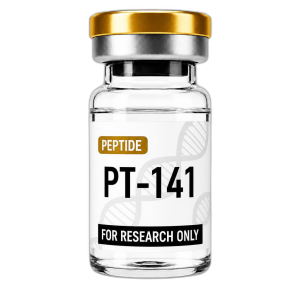
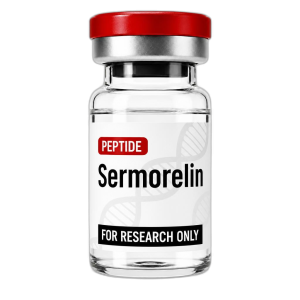
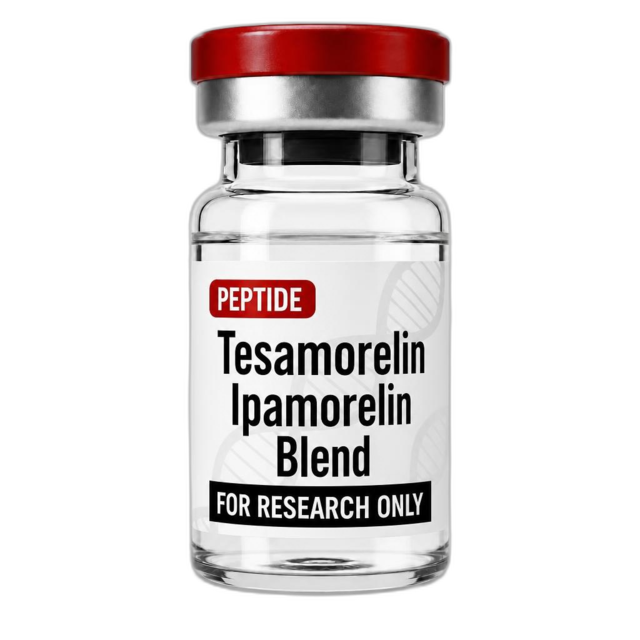
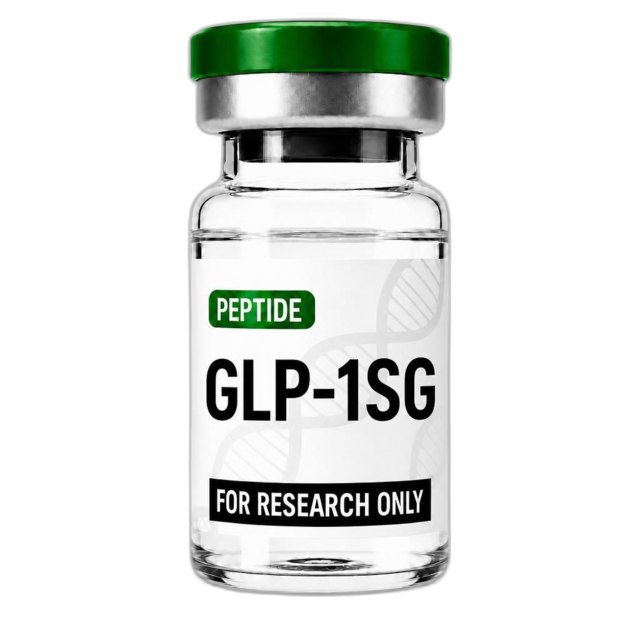
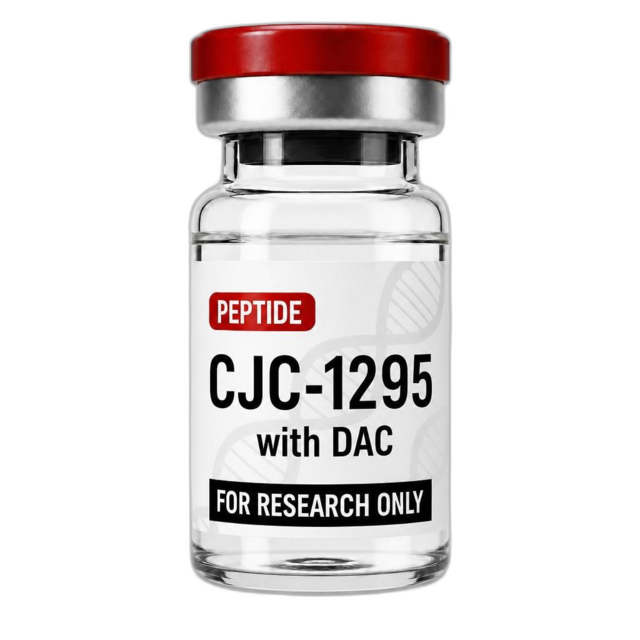
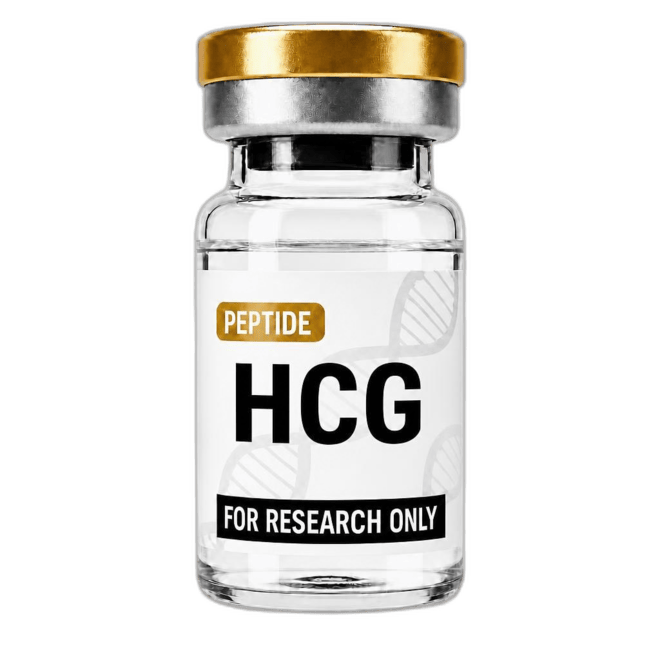
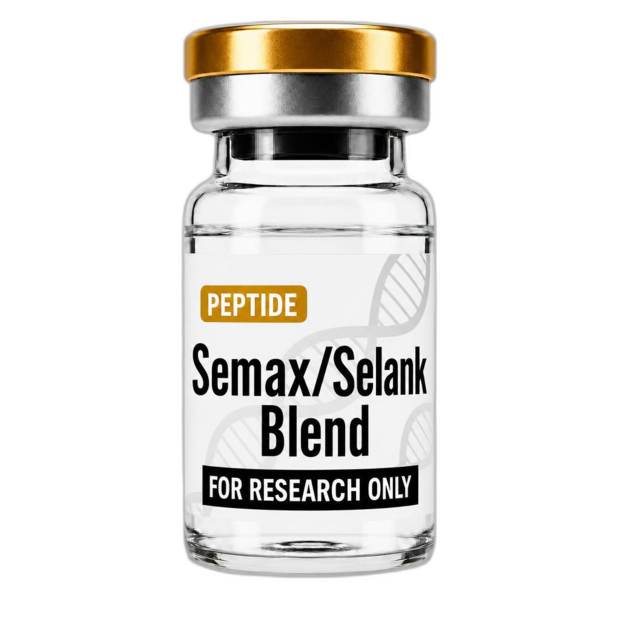
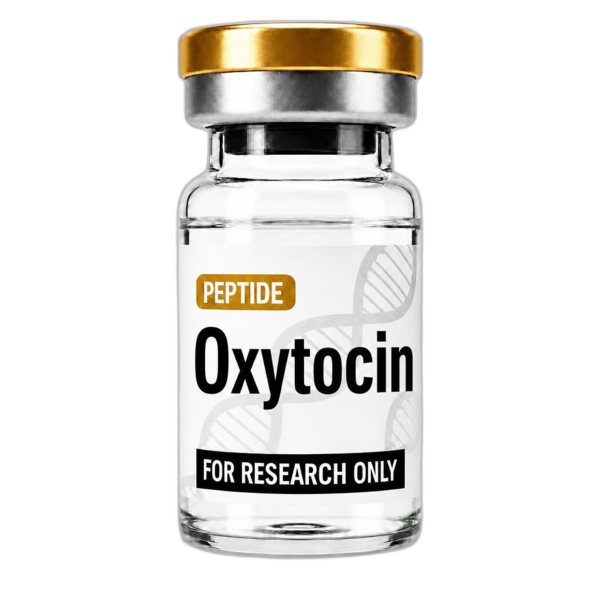
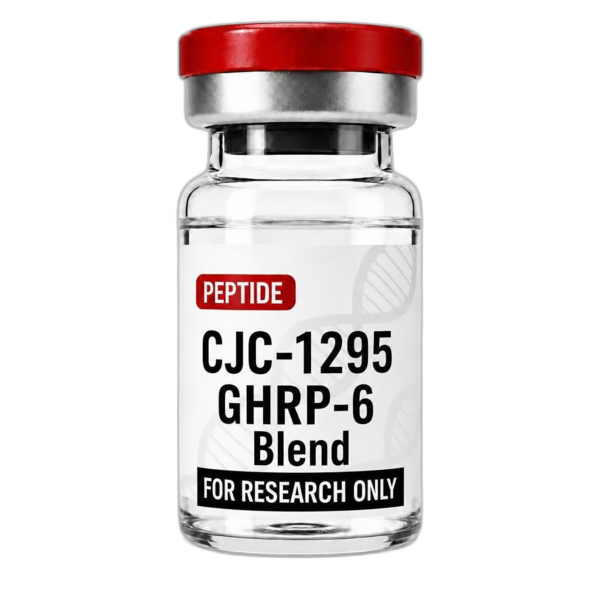
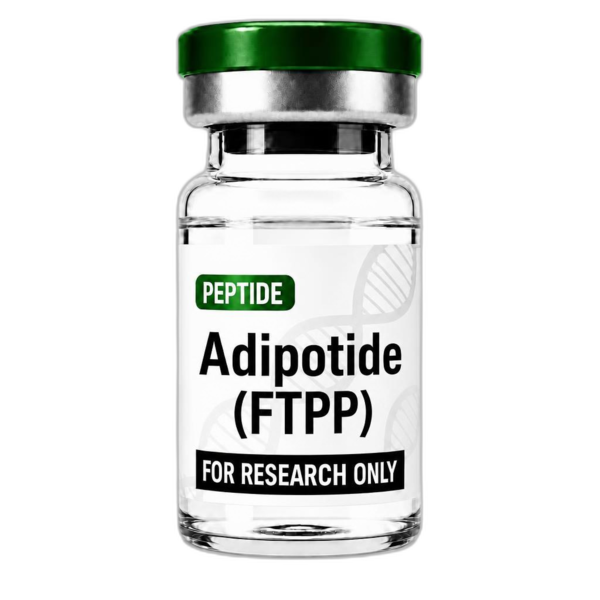
•🌟Audited Research Reference Vials:
The evaluation of analytical-grade biopeptides demands rigorous conformity to high-purity molecular specifications to guarantee reproducible dataset readouts across complex laboratory environments. This reference inventory bridges the logistical gap for academic institutions and private screening facilities by indexing multi-brand portfolios verified through strict third-party verification protocols. Every independent lot is subjected to extensive reversed-phase high-performance liquid chromatography (RP-HPLC) and high-resolution mass spectrometry (LC-MS) mapping. These validated lots certify purity thresholds exceeding a 99% benchmark, ensuring structural uniformity and the complete absence of baseline contaminants before assay execution.
•🔬1. Overview of Research Peptide Development
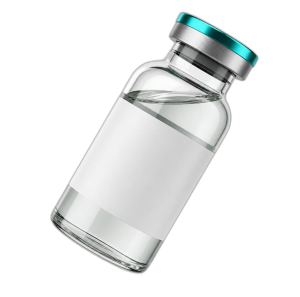
Investigators searching to buy research peptides online require distinct sequence matrices tailored to separate preclinical screening setups. This unified catalog consolidates advanced material classifications to support diverse analytical designs under one administrative directory. Available lots deliver dedicated solutions for selective biochemical signaling assays, encompassing highly stable growth hormone (GH) axis modulators, cellular longevity benchmarks, targeted metabolic conditioning compounds, and tissue restoration matrix stacks. Preserved inside vacuum-sealed lyophilized peptide vials, these compact cakes lock the primary amino acid chains against early thermal cleavage, managing long-term operational longevity during transit corridors and storage setups.
•🔮2. Beyond Analytical Purity: Contaminant Control
USA third-party tested validation protocols ensure complete traceability from synthesis endpoints straight to the final laboratory testing run. Standard high-performance chromatography isolates chemical purity numbers, yet secondary parameters dictate actual research consistency. To prevent data corruption inside cellular culture models, advanced batch tracking filters out silent confounding variables by executing extensive endotoxin testing limits (LAL assays), USP sterility cultures, and inductively coupled plasma mass spectrometry (ICP-MS) heavy metal screenings. By reviewing the independent laboratory lot-matched Certificates of Analysis (COAs), researchers can confirm net peptide weights, sequence alignment integrity, and lot homogeneity before loading assays.
•🧬3. Preclinical & Laboratory FAQ
•🎨Why do different lyophilized peptides have different colors and appearances?
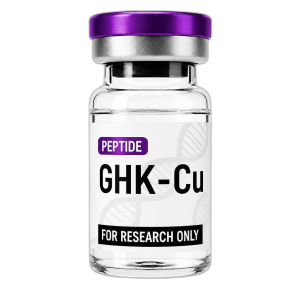
The visual look of a peptide depends entirely on its core molecular structure and chemical bonds. While 99% of highest purity biopeptides dry into a flawless, compact white cake or powder, specific amino acid complexes naturally interact with trace mineral ions to alter light absorption. For example, the copper-binding architecture of GHK-Cu reference vials reliably yields a highly characteristic, vibrant soft blue tint. This coloration is a direct structural marker of the peptide-copper complex, not an impurity.
•⚖️Why does the amount of powder look different from one vial to another?
The physical size or volume of the lyophilized "cake" inside the vial does not reflect the actual milligrams of the active peptide. During the freeze-drying process, safe bulking agents (like mannitol) are added to protect the delicate molecular structure. Depending on the specific batch formulation, some cakes will look larger, fluffier, or more solid than others, even if they contain the exact same amount of active ingredient. Trust the mass specification, not the visual volume.
•💎Is it true that no research peptide can ever be literally 100% pure?
Yes, scientifically speaking, a 100% chemical purity is technically impossible due to the laws of laboratory synthesis. Highest purity biopeptides capped at the absolute premium tier reliably score between 98% and 99.8% on RP-HPLC reports. The remaining small percentage consists of essential structural moisture, trace salts, and residual trifluoroacetic acid (TFA) buffers used to bind and balance the amino acid chains during crystallization.
•⏳What is the shelf life of these vials before and after adding bacteriostatic water?
In their raw, un-reconstituted freeze-dried powder form, vacuum-sealed lyophilized peptide vials remain completely stable for up to 2 to 3 years if kept frozen inside a sub-zero environment. However, once you pierce the seal and introduce bacteriostatic water or sterile solvents, the clock ticks significantly faster. Reconstituted liquid peptide chains remain fully active and viable for roughly 20 to 30 days, provided they are kept constantly refrigerated under optimal climate control.
•📦Can lyophilized vials survive room temperatures and heat spikes during shipping?
Yes, completely. Vacuum-sealed lyophilized compact powder cakes feature high thermodynamic stability. Scientific documentation shows that un-reconstituted research vials can safely remain outside sub-zero limits during typical domestic shipping transit windows without suffering structural peptide cleavage or losing purity. As long as the material is kept dry and insulated from direct sunlight or extreme heat waves over extended weeks, the raw freeze-dried structure remains completely intact.
•🌡️What are the temperature guidelines for keeping these peptides stable in the lab?
To protect active peptide chains from degradation or premature enzyme cleavage, store all dry, lyophilized powders tightly sealed in a sub-zero freezer around -20°C for long-term preservation. Once you reconstitute the powder with sterile solvents or laboratory-grade bacteriostatic water, the liquid peptide becomes significantly more fragile. Keep working liquid vials under continuous climate control inside a standard laboratory refrigerator at 2–8°C to maintain strict data accuracy and prevent chain spoilage.
•📊4. Catalog Quality Framework
| Inventory Baseline: | Certified Reference Peptides, Bioregulators & Laboratory Materials |
| Purity Certification: | ≥98% - 99%+ Analytical Purity Verified via Independent RP-HPLC |
| Batch Transparency: | Lot-Matched Certificates of Analysis (COAs) Available for Download |
| Material Presentation: | Lyophilized Research Vials & Certified Biological Test Compounds |
| Application Intention: | Synthesized Supplier Reagents for In-Vitro Scientific Assays Only |
•🎓Preclinical & Scientific References
For verification of the biological mechanisms, amino acid modifications, and molecular traits cited in current cell line essays, investigators can review the independent peer-reviewed literature and reference trials:
- • Hruby, V. J., et al. (2002). Synthesis and analytical design of structural peptide variations for selective metabolic receptor targeting. Journal of Medicinal Chemistry, 45(14), 2845-2855.
- • Astrup, A., et al. (2021). Advanced metabolic signaling analysis and receptor axis modulation thresholds in high-purity biological models. The Lancet Diabetes & Endocrinology, 9(4), 195-204.
- • Manning, M., et al. (2008). Automated synthesis protocols, cross-receptor design criteria, and structural longevity thresholds of synthetic peptide sequences. Journal of Medicinal Chemistry, 51(15), 4341-4352.