


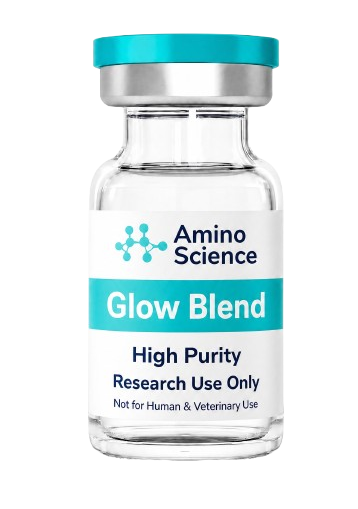
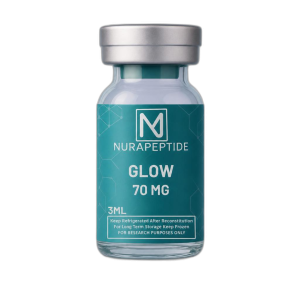
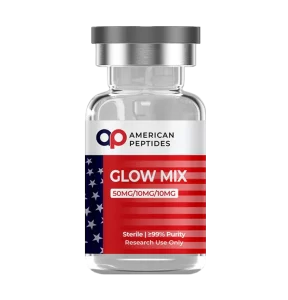
•🌟GLOW Blend multi-peptide combinations for laboratory research use only:
Welcome to the ultimate reference hub for the GLOW Blend configuration. This combination consolidates three of the most heavily investigated peptide sequences in modern biochemistry—GHK-Cu, BPC-157, and TB-500—into a single, unified presentation. By bringing these structural compounds together at a fixed, unvarying ratio, laboratories can significantly accelerate their comparative screening assays while maximizing their project setups.
•🔮1. Why the GLOW Blend Leads the Market
Instead of purchasing and measuring multiple individual vials, researchers prefer this synchronized blend because it removes the margin of error during fluid integration. Each sequence is synthesized through high-yield solid-phase peptide chemistry and purified to analytical standards, offering exceptional molecular stability during in-vitro evaluation layouts. This allows for rigorous comparative tracking without background baseline shifts.
•🧬2. Overlapping Signaling Mechanisms
Preclinical literature tracks a powerful synergistic cross-talk when these three compounds operate together inside cultured cell line experiments. The tripeptide GHK-Cu drives copper-ion transport mechanics to analyze collagen-related structures and cellular rejuvenation markers. Simultaneously, the pentadecapeptide BPC-157 works on cell signaling pathways to support membrane integrity, while the synthetic fragment TB-500 focuses on molecular migration and actin-binding interactions. This multi-agonist approach provides a comprehensive window to study cellular matrix remodeling in deep testing environments.
•❓3. Advanced Research & Preclinical FAQ
•🔬Why has this specific 3-peptide combination become so popular in active research circles?
Exploring multiple pathways at once yields much richer data than evaluating single chains. Since cellular repair and matrix remodeling are multi-stage biological processes, having a fixed 50mg GHK-Cu, 10mg BPC-157, and 10mg TB-500 setup allows laboratories to map overlapping signaling responses without altering the testing background.
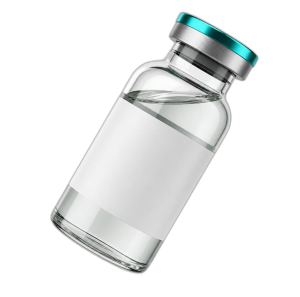
•🔬What accounts for the distinct visual appearance of the lyophilized cake?
The blend displays a characteristic soft blue tint due to the divalent copper center bound within the GHK sequence. This light absorbance behavior serves as a quick visual confirmation of correct metal chelation, distinguishing the authentic complex from metal-free amino acid alternatives.
•🔬What analytical methods ensure structural trace confirmation across batches?
Independent laboratory testing utilizing reverse-phase high-performance liquid chromatography (RP-HPLC) maps individual peak retention profiles. This rigorous testing establishes trace verification parameters to deliver strict lot uniformity.
•🔬What storage guidelines ensure maximum sequence longevity?
Keep the raw lyophilized powder cake sealed inside your low-temperature freezer at -20°C to guard against humidity and premature breakdown. Following reconstitution with a sterile solvent, store the fluid solution inside refrigerator setups at 2-8°C, and complete planned tracking assays within 14 days to preserve expected purity measurements.
•📊4. Consolidated Formulation Specifications
| Total Mixture Mass: | 70 mg per Lyophilized Presentation (Fixed 50/10/10 Ratio) |
| Chemical Components: | GHK-Cu (50mg) + BPC-157 (10mg) + TB-500 (10mg) |
| Purity Verification: | ≥98% - 99%+ Analytical Purity Certified via Reverse-Phase HPLC |
| Physical Form Profile: | Lyophilized Multi-Peptide Powder Cake (Blue Tint Display) |
| Solubility Threshold: | Soluble in Water and Sterile Bacteriostatic Solvents |
99% Purity Guaranteed
Independent Lab Tested
⚠️ FDA DISCLAIMER: These products are intended strictly for laboratory research use only. They are not intended for human consumption, diagnostic, or therapeutic purposes. The statements on this website have not been evaluated by the Food and Drug Administration.