


•🌟KLOW Blend for research use only:
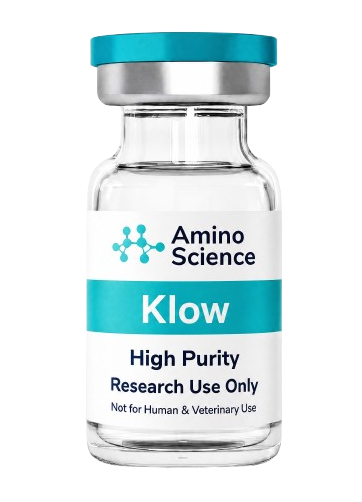
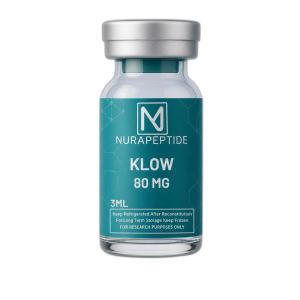
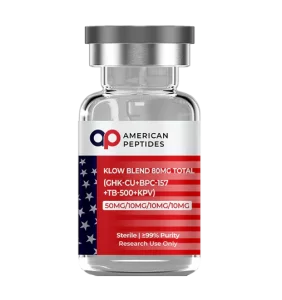
Welcome to the authoritative reference dashboard for the KLOW Blend configuration. This advanced compound design consolidates four of the most heavily cited peptide arrays in contemporary biochemistry—KPV, GHK-Cu, BPC-157, and TB-500—into a single, co-lyophilized reference material. By anchoring these structures together at a standardized distribution ratio, laboratories can significantly streamline operational workflows and observe complex multi-sequence behaviors without managing parallel preparations.
•🔮1. Coordinated Component Architecture
| KPV Component: | Tripeptide fragment studied for its baseline interaction with cellular immune-modulating pathways. |
| GHK-Cu Component: | Copper-binding tripeptide structure utilized to evaluate structural matrix-remodeling cascades. |
| BPC-157 Component: | Synthetic pentadecapeptide sequence examined for localized tissue support and cellular signaling. |
| TB-500 Component: | Synthetic fragment of Thymosin Beta-4 tailored for cellular migration and actin binding assays. |
•🧬2. Synergistic Material Overview
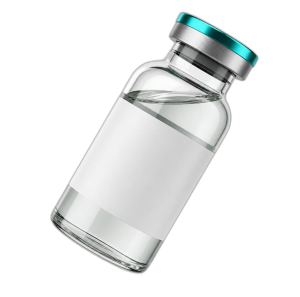
Instead of purchasing and measuring multiple individual sequence standards, investigators choose this pre-formulated reference tool because it removes concentration variance during fluid preparation. High-yield automated peptide chemistry secures unvarying material distribution inside each glass vial, offering high structural longevity during in-vitro evaluation layouts. Preclinical models evaluate the combined operation of these active chains to monitor parallel cell signaling responses, receptor feedback loops, and extracellular tissue matrix remodeling thresholds cleanly. Same-day domestic shipping lanes manage transport quickly to maintain core structural parameters from laboratory dispatch straight to assay setups.
•🧪3. Advanced Research & Preclinical FAQ
•🛡️What specific scientific advantages does a 4-peptide synchronized layout provide?
Data from literature monitors that combining distinct sequences offers a protective barrier against fast enzymatic cleavage. This collaborative matrix helps prolong the survival rate of the individual chains inside experimental media, giving laboratories a stable window to observe multi-pathway signaling responses at a fixed ratio.
•🛡️What accounts for the visual blue coloration of the solid material cake?
The coordinated divalent copper ion bound within the GHK sequence causes the characteristic soft blue tint. This distinct light absorbance pattern serves as a rapid visual confirmation of proper metal chelation, distinguishing the authentic structure from metal-free amino acid configurations.
•🛡️What analytical methods ensure compound trace verification across lots?
Independent analytical testing laboratories utilize reverse-phase high-performance liquid chromatography (RP-HPLC) to map individual peak retentions and quantify purity. High-resolution mass spectrometry validates the specific molecular identity of each component sequence to deliver reproducible parameters.
•🛡️How does the presence of a copper center alter standard laboratory handling?
Because copper-complexed peptide fragments can be highly redox-sensitive, handling procedures restrict prolonged exposure to direct UV light, heat, and moisture. Solvent and buffer choices should be documented carefully per protocol, since certain integration agents can interact with the copper center.
•🛡️What storage guidelines secure long-term molecular parameter tracking?
Store the dry lyophilized powder sealed inside your freezer environment at -20°C to lock expected mass measurements. Reconstitute working stock solutions using proper sterile solvents under clean laboratory procedures, and preserve remaining fluid samples under climate-controlled refrigeration at 2-8°C to prevent early peptide decay.
•📊4. Consolidated Reference Specifications
| Total Mixture Mass: | 80 mg Formulation Benchmark per Vial |
| Technical Composition: | KPV + GHK-Cu + BPC-157 + TB-500 Combined Matrix |
| Purity Certification: | ≥99% Analytical Purity Certified via RP-HPLC Validation |
| Physical State Profile: | Lyophilized Compact Powder Cake (Distinct Soft Blue Tint) |
| Solubility Threshold: | Soluble in Distilled Water & Sterile Bacteriostatic Fluids |
99% Purity Guaranteed
Independent Lab Tested
•🎓Preclinical & Scientific References
For verification of the biochemical signaling pathways, coordination complexes, and molecular traits cited in current cell line essays, investigators can review the peer-reviewed literature and reference trials:
- • Pickart, L., & Margolina, A. (2018). Regenerative and protective actions of the GHK-Cu peptide in the light of the new gene data. International Journal of Molecular Sciences, 19(7), 1987.
- • Sikiric, P., et al. (2020). Stable gastric pentadecapeptide BPC 157, dual therapy, and cytoprotection. Frontiers in Pharmacology, 11, 571618.
- • Crockford, D., et al. (2010). Thymosin beta4 accelerates wound healing. Annals of the New York Academy of Sciences, 1194(1), 179-183.
- • Kannengiesser, K., et al. (2008). KPV, a tripeptide alpha-MSH analog, modulates cell signaling in intestinal inflammation. American Journal of Physiology-Gastrointestinal and Liver Physiology, 295(5), G1081-G1089.
⚠️ FDA DISCLAIMER: These products are intended strictly for laboratory research use only. They are not intended for human consumption, diagnostic, or therapeutic purposes. The statements on this website have not been evaluated by the Food and Drug Administration.