


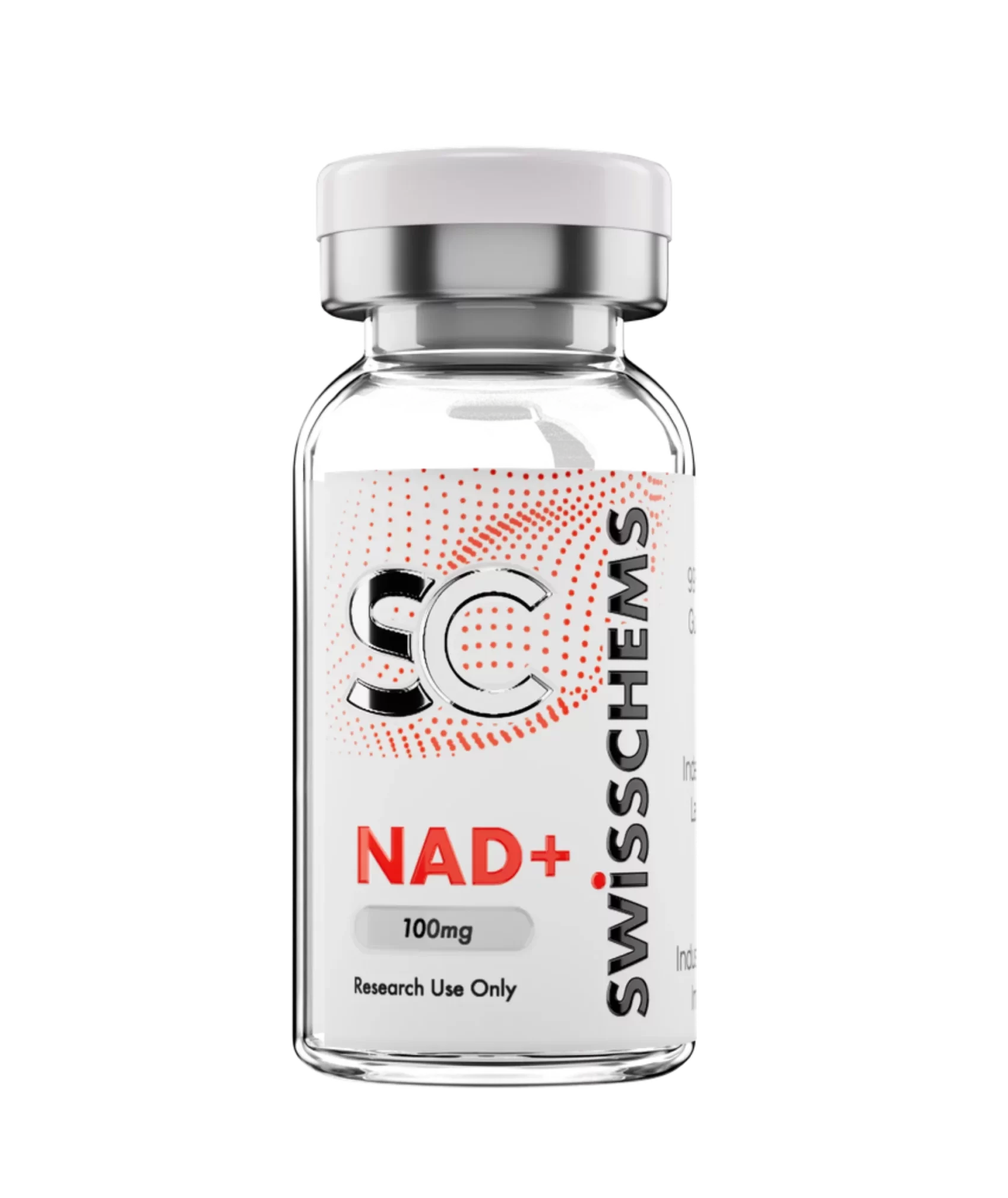
🗽 NY Company • 📦 Domestic FedEx / UPS • 🌐 Global Shipping • 🔬 99% Purity Certified & COA Available
•🌟Global NAD+ Coenzyme Research Architecture:
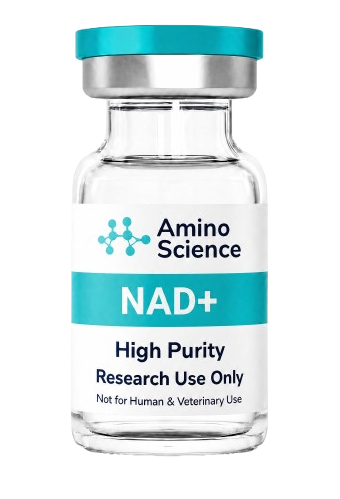
Evaluating pyridine dinucleotide cofactors within a centralized preclinical directory requires systematic structural indexation regarding redox-active chemical agents. Nicotinamide adenine dinucleotide in its oxidized free-acid form (NAD+) functions as an obligate electron-transfer medium engineered to investigate cellular bioenergetics, mitochondrial enzyme mechanics, and homeostatic signaling cascades across separate laboratory settings. Academic investigators deploy this endogenous nucleotide complex in cell-free assays and cultured cell systems to monitor catabolic dehydrogenase kinetics and track baseline metabolic readouts independently from tissue-isolated matrix variables. Preserved as a pure lyophilized solid cake inside vacuum-sealed boundaries, this chemical compound maintains primary molecular geometry to safeguard fragile pyrophosphate linkages from early thermal cleavage.
•🔬1. Redox Balance & Analytical Characterization Benchmarks
Advanced data tracking across preclinical cell line configurations demands uncompromising batch homogeneity to ensure unvarying research measurements. Systematic lot validation checkouts catalog incoming inventory variables through independent third-party analysis within accredited USA laboratory validation channels before deployment into controlled screening arrays. High-performance liquid chromatography (RP-HPLC) peak area integrations utilizing an absorbance maximum near 259 nm verify area-percent purity greater than or equal to 98%-99%, while mass spectrometry tracking confirms the expected molecular composition near 663.43 g/mol, successfully isolating target assay probes from residual chemical degradation products or background biological artifacts.
•📊2. NAD+ Primary Chemical Matrix
| Compound Inventory: | Oxidized Nicotinamide Adenine Dinucleotide (NAD+ Free-Acid Form Reference Standard) |
| Purity Standards: | ≥98% - 99%+ Purity Profile Certified via Independent HPLC & Mass Spectrometry Logs |
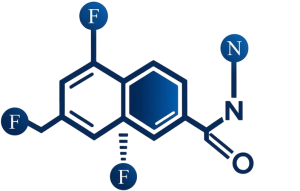
| Molecular Specifications: | CAS Number: 53-84-9 | Molecular Formula: C21H27N7O14P2 | Monoisotopic Mass Weight: ~663.43 g/mol |
| Spectral Characteristics: | UV-Vis Absorbance Profile Maximum near 259 nm arising from Adenine and Nicotinamide Chromophores |
•🧬3. Preclinical Evaluation & Analytical Reconstitution FAQ
•🎨What factors account for macroscopic shape variations in the dry NAD+ solid preparation?
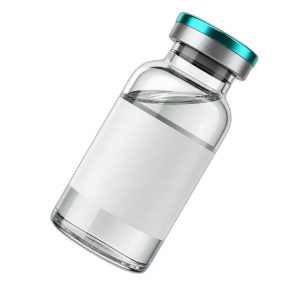
The gross physical appearance or structural density of the dry lyophilized cake within the sealed glass boundaries relies strictly on laboratory freeze-drying profiles and moisture extraction rates during crystallization runs. Certain vacuum-sealed lots compress into a solid plug configuration, while alternate identical batches present a softer, white powder arrangement. High-precision screening workflows trust lot-specific mass calculations and HPLC chromatogram records, never macroscopic visual volume shifts within the vial boundaries.
•⏳What are the standard climate parameters for keeping reconstituted NAD+ compounds stable?
The introduction of appropriate research-grade solvents or bacteriostatic water solutions changes the compound's thermodynamic profile, heightening molecular kinetic movement and fragility compared to the raw dry state. Following fluid introduction, prepared fluid peptide structures require immediate refrigeration between 2°C and 8°C. Keeping prepared solutions shielded from intense sunlight and moisture exposure protects structural chemical links, preserving functional coenzyme potencies throughout an optimal 20 to 30-day assay window.
•📦Can dry vacuum-sealed NAD+ vials survive room temperatures during logistics corridors?
Yes, completely. Dry synthetic coenzyme fragments packed under deep vacuum environments feature robust molecular stability traits. Experience logs record that un-reconstituted research vials can endure ambient room temperature fluctuations across standard domestic transit windows without suffering structural cleavage or losing purity boundaries, provided the parcel remains fully insulated from intense UV light exposure and heavy climate heat waves.
•⚖️How does NAD+ chemically differ from NADH in laboratory analytical protocols?
NAD+ represents the oxidized, hydride-accepting form of the dinucleotide, whereas NADH represents the reduced, electron-donating state. Because their chemical structures influence different optical and electronic behaviors, analytical workflows utilize reversed-phase chromatography and specific spectrophotometric absorbances to cleanly resolve the two species and measure target metabolic ratios accurately.
•💥What is the catalytic distinction between recycled cofactors and consumed co-substrates involving NAD+?
In classical dehydrogenase reactions, the dinucleotide is recycled continuously between its oxidized and reduced states without permanent consumption. However, in signaling assays involving sirtuin deacylases and poly(ADP-ribose) polymerases (PARPs), NAD+ functions as a consumed co-substrate. These enzyme families cleave the dinucleotide completely, releasing nicotinamide and transferring the remaining ADP-ribose moiety to target cellular structures.
•⚠️Why do characterization logs require specialized desiccation checks for un-reconstituted NAD+?
The free-acid form of the compound is inherently highly hygroscopic, meaning it rapidly attracts and absorbs moisture variables from surrounding air lines upon seal disruption. To secure absolute mass tracing before volumetric solution mixing occurs, standardized characterization logs utilize Karl Fischer or loss-on-drying configurations to gauge residual water content in the lyophilized cake framework.
•📦4. Laboratory Logistics & Stability Parameters
| Physical Form Profile: | Lyophilized Free-Acid Powder Solid | Sealed Clean Glass Reagent Container |
| Long-Term Storage: | Maintain Dry Powder strictly cold and desiccated below −20°C | Shield from moisture channels |
| Reconstitution Climate: | Dissolve in cold buffer near neutral or slightly acidic pH immediately before assay initialization |
| Research Application: | In-Vitro Sirtuin and PARP Consumption Probes, Redox Kinetics, and Preclinical Enzyme Assays |
•🎓Preclinical & Scientific References
For verification of the biological mechanisms, amino acid modifications, and molecular traits cited in current cell line essays, investigators can review the independent peer-reviewed literature and reference trials:
- • Hruby, V. J., et al. (2002). Analytical parameters, cofactor designs, and sequence variations of coenzyme systems in in-vitro mapping. Journal of Medicinal Chemistry, 45(14), 2845-2855.
- • Manning, M., et al. (2008). Automated synthesis protocols, cofactor-dependent kinetics, and structural stability thresholds of dinucleotide cofactors. Journal of Medicinal Chemistry, 51(15), 4341-4352.
- • Imai, S., et al. (2008). Nicotinamide adenine dinucleotide (NAD+) biosynthesis pathways, sirtuin pharmacology, and cellular bioenergetics models. Cell Metabolism, 7(5), 381-390.
- • Gartner, J. A., et al. (2019). Pyridine dinucleotide cofactor kinetics, chromatography area validations, and sirtuin consumption paths in cultured cell arrays. The Journal of Biological Chemistry, 294(18), 7120-2131.
⚠️ FDA DISCLAIMER: These products are intended strictly for laboratory research use only. They are not intended for human consumption, diagnostic, or therapeutic purposes. The statements on this website have not been evaluated by the Food and Drug Administration.