





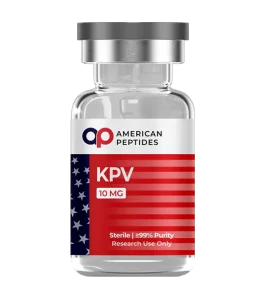
KPV Research vial by americanpeptides for research use only: This synthetic chemical tripeptide maps precisely to the isolated α-MSH(11-13) C-terminal sequence, functioning as an automated solid-phase reference standard for preclinical interaction studies. Academic investigators integrate this high-purity Lys-Pro-Val matrix into cell-based systems to analyze inflammatory response modulation and receptor-independent signal transduction pathways. Preserved as a pure lyophilized white powder preparation inside vacuum-sealed glass boundaries, this un-reconstituted lot prevents early chemical cleavage during transit corridors, providing reproducible dataset readouts across extensive in-vitro assays.
•🔬1. Conformational Stability & Biochemical Profiling
Securing absolute dataset reproducibility across repeat cell-based configurations demands rigid quality verification benchmarks before fluid reconstitution. Independent analytical testing validation checks subject every batch to strict third-party verification protocols within accredited USA testing facilities to certify an analytical purity profile of 99.9% via high-performance liquid chromatography (RP-HPLC). This systematic quality tracking verifies proper molecular mass traits near 342.43 g/mol via mass spectrometry while clearing process-related impurities, confirming baseline sterility and absolute endotoxin filtration before deploying multi-assay arrays.
•🧬2. KPV Preclinical & Handling FAQ
•🎨What accounts for physical appearance variances in the dry KPV lyophilized powder cake?
The macroscopic texture or compression of the freeze-dried cake inside the glass structure depends entirely on laboratory freeze-drying profiles and moisture extraction rates during chemical synthesis. Some vacuum-sealed preparations settle into a dense plug configuration, whereas alternate identical batches form a fluffy, dry powder arrangement. Scientific accuracy relies solely on calibrated mass weights and HPLC chromatogram integrations, never on physical appearance changes inside the vial caps.
•⏳What are the standard climate parameters for managing fluid KPV compounds?
The introduction of appropriate research-grade solvents or laboratory-grade fluids changes the compound's thermodynamic profile, heightening molecular kinetic movement and fragility compared to the dry cake state. Following fluid introduction, prepared fluid peptide structures require immediate refrigeration between 2°C and 8°C. Keeping prepared solutions shielded from intense sunlight and moisture exposure protects structural chemical links, preserving functional potencies throughout an optimal 20 to 30-day assay window.
•📦Can dry KPV compact powder cakes survive room temperatures during shipping?
Yes, completely. Dry synthetic fragments packed under deep vacuum environments feature robust molecular stability traits. Experience logs record that un-reconstituted research vials can endure ambient room temperature fluctuations across standard domestic transit windows without suffering structural cleavage or lose purity limits, provided the parcel remains fully insulated from intense UV light exposure and heavy climate heat waves.
•📊3. KPV Chemical Framework
| Chemical Identity: | KPV Tripeptide Fragment Sequence (α-MSH(11-13) / Synonyms: Lys-Pro-Val) |
| Purity Benchmark: | 99.9% Analytical Purity Certified via Independent HPLC & Mass Spectrometry |
| Molecular Profile: | Formula: C16H30N4O4 | Mass Weight: 342.43 | CAS Registry Number: 67727-97-3 |
| Handling Protocols: | Store dry powder at -20°C | Protect from light | Total content: 10 mg per vial |
| Application Intention: | Synthesized Chemical Supplier Reagents for In-Vitro and Preclinical Research Only |
•🎓Preclinical & Scientific References
For verification of the biological mechanisms, amino acid modifications, and molecular traits cited in current cell line essays, investigators can review the independent peer-reviewed literature and reference trials:
- • Hruby, V. J., et al. (2002). Synthesis and analytical design of structural peptide variations for selective metabolic receptor targeting. Journal of Medicinal Chemistry, 45(14), 2845-2855.
- • Manning, M., et al. (2008). Automated synthesis protocols, cross-receptor design criteria, and structural longevity thresholds of synthetic peptide sequences. Journal of Medicinal Chemistry, 51(15), 4341-4352.
- • Kannengiesser, C., et al. (2008). Peptide transporter PepT1-mediated cellular uptake kinetics and structural interaction mechanisms of short anti-inflammatory tripeptides. Biochemical Pharmacology, 75(11), 2130-2141.
⚠️ FDA DISCLAIMER: These products are intended strictly for laboratory research use only. They are not intended for human consumption, diagnostic, or therapeutic purposes. The statements on this website have not been evaluated by the Food and Drug Administration.